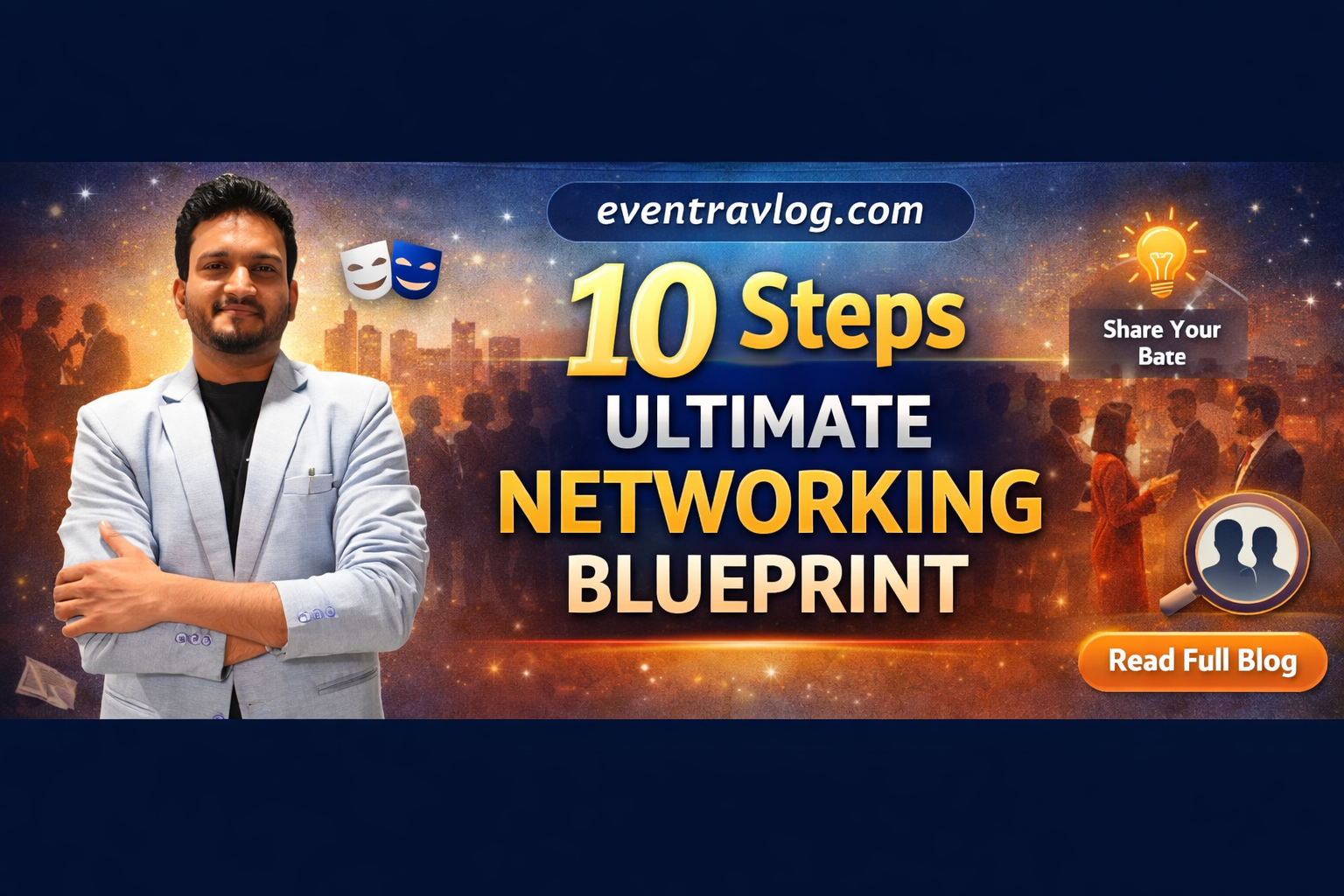
How to Become a STAR Events Networker with the Ultimate Networking Blueprint
In today’s fast-paced world, opportunities don’t just come from skills—they come from people. Whether you’re an introvert, extrovert, highly confident, or someone still building self-belief, mastering the art of networking can completely transform your personal and professional life.
This ultimate networking blueprint will help you become a STAR Events Networker—someone who stands out, builds meaningful connections, and consistently generates opportunities at events, meetups, and expos.
What is a STAR Events Networker?
A STAR Networker is someone who is:
- S – Strategic (not random, but intentional)
- T – Trustworthy (builds genuine relationships)
- A – Authentic (real, not fake or salesy)
- R – Result-Oriented (focuses on outcomes like collaborations, leads, and growth)
Step 1: Understand Your Personality Type (And Use It As a Strength)
Many people believe networking is only for extroverts. That’s a myth.
If You’re an Introvert:
- You don’t need to talk to everyone—focus on deep conversations with 3–5 people
- Prepare 2–3 questions in advance
- Use listening as your superpower
If You’re an Extrovert:
- Avoid talking too much—focus on value exchange, not just energy
- Give space for others to speak
- Build depth, not just volume
If You Have Low Confidence:
- Start with simple lines like:
- “Hi, is this your first time here?”
- “What brings you to this event?”
- Remember: Everyone is human, no one is superior
If You’re Highly Confident:
- Don’t dominate—connect
- Ask more, pitch less
- Focus on long-term relationships over short-term gains
Step 2: How to Approach and Connect with Strangers
Walking up to a stranger can feel uncomfortable—but this is where growth begins.
The 5-Second Rule:
Don’t overthink. If you see someone interesting, approach within 5 seconds.
Simple Opening Lines:
- “Hi, I’m [Your Name], what do you do?”
- “Hey, how are you finding this event so far?”
- “What’s been your biggest takeaway today?”
Body Language Tips:
- Smile naturally
- Maintain eye contact (not staring)
- Keep an open posture (no crossed arms)
Step 3: How to Present Yourself Effectively
Your introduction matters—it creates your first impression.
The Perfect Introduction Formula:
Name + What You Do + Who You Help + Outcome
Example:
“Hi, I’m Rahul. I help freelancers and business owners build powerful networks so they can generate more clients through offline events.”
Keep It:
- Short (10–15 seconds)
- Clear
- Outcome-driven
Step 4: How to Ask Personal Questions (Without Being Awkward)
Asking personal or deeper questions builds connection—but timing is everything.
Start with Surface Questions:
- What do you do?
- Which industry are you in?
Move to Deeper Questions:
- “What inspired you to start this?”
- “What’s your biggest challenge right now?”
- “What kind of people are you looking to connect with?”
Golden Rule:
👉 Earn the right before asking deeper questions
Don’t jump too fast. Build comfort first.
Step 5: How to Share Your Business Idea Confidently
Most people struggle here—they either oversell or undersell.
Use the Problem-Solution Framework:
- Problem – What issue are people facing?
- Solution – How do you solve it?
- Result – What outcome do they get?
Example:
“Many business owners struggle to get clients from events. I help them build a strategic networking system so they can convert conversations into real business opportunities.”
Tips:
- Don’t pitch immediately
- Wait for the right moment
- Keep it conversational, not salesy
Step 6: The 3 Simple Steps to Generate Business Opportunities
This is the core of becoming a STAR Networker.
1. Identify the Right People (Quality over Quantity)
- Look for decision-makers, founders, or aligned individuals
- Ask: “Can this person add value or benefit from my value?”
2. Build Genuine Connection (Not Transaction)
- Listen actively
- Understand their goals, struggles, and needs
- Share relevant insights or help
3. Create a Clear Next Step
Never end a conversation without direction.
Examples:
- “Let’s connect on LinkedIn”
- “We should schedule a quick call next week”
- “I think I can help you with this—can we discuss further?”
Step 7: Handle Every Possible Scenario Like a Pro
If Someone Ignores You:
- Don’t take it personally
- Move on gracefully: “Nice meeting you, enjoy the event!”
If You Feel Nervous:
- Take a deep breath
- Remember: Everyone is here to connect
If Conversation Becomes Awkward:
- Switch topic:
- “By the way, what sessions have you attended today?”
- Or politely exit:
- “It was great talking to you, I’ll catch up with you later”
If Someone Is Too Salesy:
- Stay polite but set boundaries
- Redirect conversation or exit
Step 8: Follow-Up is Where Real Magic Happens
Most people fail here—and lose opportunities.
Within 24 Hours:
- Send a message:
- “Hey [Name], great meeting you at [Event]. Loved our conversation about [topic]. Let’s stay connected!”
Add Value:
- Share a resource
- Introduce them to someone
- Follow their work
Step 9: Build Your Networking Identity
You don’t just attend events—you build a brand.
Ask yourself:
- What do I want to be known for?
- What value do I bring to people?
Examples:
- “The Connector”
- “The Problem Solver”
- “The Collaboration King”
Step 10: Consistency is the Real Game
One event won’t change your life—but consistent networking will.
- Attend events regularly
- Improve your communication
- Track your connections
- Build relationships over time
Final Thoughts
Becoming a STAR Events Networker is not about being the loudest person in the room—it’s about being the most intentional, authentic, and valuable.
No matter your personality type—introvert or extrovert, confident or hesitant—you can master networking with the right mindset and strategy.
Remember:
👉 Opportunities don’t come from events
👉 Opportunities come from people you meet at events
Start small, stay consistent, and apply this ultimate blueprint—and you’ll soon become the person everyone wants to connect with.
If you apply even 50% of this blueprint in your next event, you won’t just attend—you’ll stand out.